Slot Size, Profile Shape & Wire Configuration: Customizing Your Wedge Wire Screen for Peak Performance

When it comes to industrial filtration, one solution rarely fits all. Industries like sugar processing, wastewater treatment, pulp and paper, and mineral separation require filtration systems. Customized to their unique material and flow demands. This is where the Wedge Wire Screen stands out —offering design flexibility that gives it a clear advantage over conventional filter types in optimizing operational efficiency.

At Multitech Engineers, we specialize in engineering wedge wire screens with precision — tailoring everything from slot size and wire profile to support rod configuration based on the unique requirements of your process. But why do these design parameters matter so much? And how do they impact performance, lifespan, and total cost of ownership?

In this blog, we’ll break down the core elements of screen customization:

  • How slot size affects flow rate and separation efficiency
  • The role of wire shape in clog resistance and structural strength
  • How support rod spacing and orientation determine mechanical stability
  • Real-world logic across key industries like sugar, starch, minerals, and wastewater
  • Design examples and selection guidelines to help you make better choices

Whether you’re designing a new system or upgrading an existing one, understanding the science of screen customization can save you downtime, energy, and headaches in the long run.

Understanding Slot Size: The Gateway to Performance

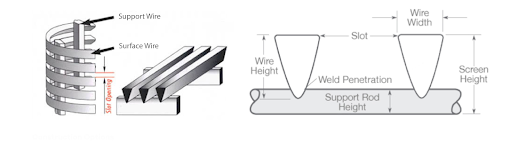
The slot size in a wedge wire screen is the width of the opening between two adjacent wedge wires. This dimension plays a pivotal role in defining what particles are retained or passed through, influencing separation efficiency, flow rate, and screen longevity.

Why Slot Size Matters

  • Separation Efficiency: A smaller slot size can capture finer particles, which is essential in processes like tertiary wastewater treatment or starch extraction. However, undersizing can lead to clogging and reduced throughput.
  • Flow Capacity: Larger slots offer higher flow capacity but lower filtration precision. Finding the right balance between flow rate and particle retention is key to screen optimization.
  • Maintenance and Fouling: Incorrect slot sizing leads to frequent backwashing or manual cleaning—especially in slurry-heavy processes such as mineral dewatering or raw sugar juice screening.
Industry Application Area Typical Slot Size (mm)
Sugar Processing Juice screening, molasses filtration 0.5 – 1.2
Starch Processing Fiber separation, slurry thickening 0.3 – 0.7
Minerals Dewatering, ore separation 0.2 – 1.0
Pulp & Paper Fiber recovery, water recycling 0.15 – 0.6
Water & Wastewater Inlet screening, sludge treatment 0.25 – 1.5

Wedge Wire Screen

Profile Wire Shapes: Balancing Flow, Strength & Fouling Resistance

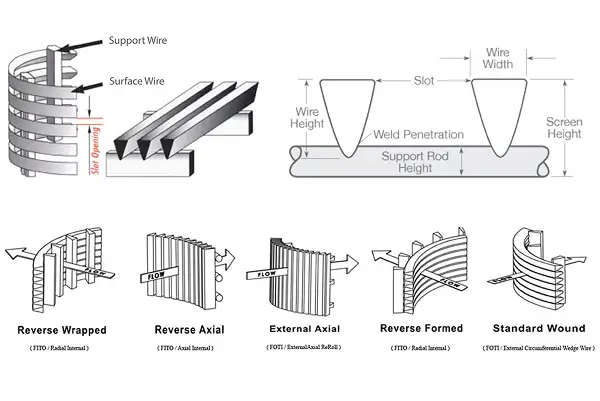
While slot size determines what passes through the screen, the profile wire shape influences how fluid interacts with the screen surface — directly impacting flow rate, clogging tendencies, and structural durability.

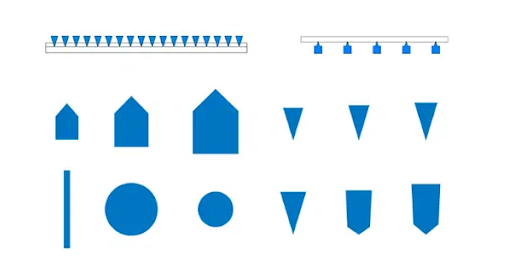
Wedge wire screens typically use triangular or trapezoidal-shaped wires, often referred to as “wedge” profiles. These aren’t just aesthetic decisions — they’re engineered for performance.

Common Profile Wire Shapes

Profile Type Description Ideal For
V-shaped (Standard Wedge) Narrower at the top, wider at the base General filtration, self-cleaning
Trapezoidal Flat top, wider base High-pressure or structural loads
Round or Modified V Semi-curved surface Minimal turbulence, low-flow zones

How Profile Shape Impacts Performance

  • Self-Cleaning Effect: The V-shape naturally forces particles away from the screen, reducing blinding and fouling — especially helpful in pulp, starch, or raw wastewater flows.
  • Open Area Optimization: A sharper profile provides greater open area per unit length, allowing more fluid to pass without compromising structural strength.
  • Mechanical Load Distribution: Trapezoidal profiles offer better mechanical support in high-pressure or abrasive slurry environments.
  • Debris Shedding: Round-top wires minimize buildup and are effective in low-turbulence zones but may have slightly reduced particle separation precision.

Matching Profile to Process

Industry Process Type Recommended Wire Profile
Sugar & Starch Sticky, fibrous slurries Standard V-shape
Minerals Abrasive, high-density Trapezoidal or heavy-duty V
Pulp & Paper Light fiber flows V-shaped or round-top
Wastewater Variable solids & pH V-shaped or trapezoidal

Wedge Wire Surface Profile & Support Profile Selection
Wedge Wire Screen

Support Rod Configuration & Screen Integrity

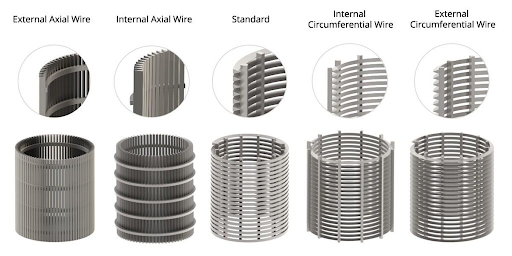
While slot size and wire shape control filtration behavior, the support rod configuration provides the essential backbone of a wedge wire screen. These rods — placed beneath the profile wires — bear the mechanical load, resist deformation, and maintain structural alignment under pressure.

The number, spacing, and orientation of support rods determine how well a screen can handle hydraulic load, vibration, and thermal expansion — especially in continuous-flow and abrasive conditions.

Types of Support Rod Configurations

Configuration Type Description Best Used For
Horizontal (Parallel) Rods run parallel to flow direction Slurry dewatering, high-impact flows
Vertical (Perpendicular) Rods run across the flow direction Gravity-fed sieve bends, nozzles
Radial or Spiral Curved orientation (in cylindrical drums) Rotary screens, pressure vessels


Design Considerations

      • Rod Spacing: Tighter rod spacing increases strength and reduces deflection — essential for high-pressure or large-width panels.
      • Rod Shape & Material: Support rods may be round, flat, or rectangular. Selection depends on screen size, mounting surface, temperature range, and chemical compatibility.
      • Weld Integrity: The profile wire-to-support rod weld must withstand operational stress without cracking, especially under cyclic loading or thermal shock.

Customization Impact

A well-engineered support rod layout ensures:

      • Higher mechanical stability under flow surges
      • Reduced screen failure in vibrating or rotary machinery
      • Longer service life in aggressive process environments

At Multitech, we configure every screen’s internal support structure based on your panel dimensions, application environment, and mechanical load profile, ensuring both reliability and manufacturability.
Wedge Wire Screen

Designing for Your Industry: Sample Screen Layouts & Custom Engineering in Action

Every industry presents its own set of filtration challenges — from fibrous organic material to abrasive ore particles and variable pH effluents. That’s why custom-engineered wedge wire screens outperform off-the-shelf options in terms of performance, durability, and ROI.

Sample Layouts by Industry

Industry Slot Size (mm) Wire Profile Support Rods Notes
Sugar 0.7 – 1.2 V-shape Vertical (5–10 mm spacing) High flow, fibrous juice, mild corrosion
Minerals 0.3 – 1.0 Trapezoidal Horizontal (4–6 mm spacing) High abrasion, requires hard welds or duplex steel
Pulp & Paper 0.2 – 0.5 Round or V-shape Vertical (6–8 mm spacing) Fiber-rich return water, self-cleaning preferred
Wastewater 0.25 – 1.5 V-shape or Trapezoidal Vertical or Spiral Varies by pH, solids load, and treatment flow
Starch 0.3 – 0.6 Sharp V-shape Horizontal (5 mm spacing) Sticky flows, prone to blinding


Our Custom Engineering Workflow at Multitech

      1. Requirement Gathering: Application form + call with our technical team
      2. Process Parameter Review: Flow rate, solids load, pH, pressure
      3. CAD Design + Wire Selection: Based on filtration goal and screen dimensions
      4. Sample Visual + Quote: Includes a layout sketch and technical datasheet
      5. Manufacturing & QC: Fabricated in-house with post-weld inspection
      6. Dispatch & Technical Support: Documentation + maintenance advice included

When you work with Multitech, you’re not just buying a screen — you’re investing in a tailored filtration solution designed for maximum efficiency in your unique process environment.

Conclusion: The Power of Precision in Filtration

Customizing your wedge wire screen isn’t just about selecting components — it’s about engineering long-term reliability, efficiency, and cost savings into your filtration process.

From choosing the right slot size for your solids load, to picking a wire shape that enhances self-cleaning, to configuring support rods that handle real-world flow dynamics — every design decision adds value. These aren’t just technical tweaks — they are the difference between a screen that lasts 3 years and one that performs flawlessly for 8+ years.

At Multitech Engineers, we don’t just manufacture screens — we build solutions. Our in-house design team, advanced manufacturing setup, and process-specific expertise allow us to deliver screens tailored to your exact process requirements.

Ready to Customize Your Next Screen?
📞 Talk to our technical sales team to share your process parameters
🧪 Request a trial screen or consultation for your current application
🔗 Explore our manufacturing capabilities to see what sets us apart

Whether you’re building a new filtration line or retrofitting an existing unit, custom engineering is the key to better uptime, lower maintenance, and higher ROI.

Let’s build it better — together.

Wedge Wire Screens in Wastewater Treatment: Solving Today’s Industrial Challenges

In today’s industrial landscape, wastewater management has become more than just an environmental requirement – it’s a strategic priority. As industries face rising scrutiny from environmental regulators and the need for water reuse increases, the demand for efficient, low-maintenance filtration systems has never been higher. This is where wedge wire screens are proving to be game-changers.

Built with precision-engineered V-shaped wires and designed for high-flow, high-solid-load conditions, wedge wire screens provide robust, reliable, and clog-resistant filtration. In this blog, we’ll dive into how wedge wire screens are helping industries tackle their toughest wastewater treatment challenges.

Why Industrial Wastewater Needs Better Screening Solutions

Industrial wastewater is one of the most complex and challenging streams to treat due to its highly variable composition – ranging from oils, chemicals, and heavy metals to fibrous solids and biological sludge. As regulations tighten around discharge norms (such as those by India’s CPCB and state pollution control boards), industries are under pressure to upgrade their Effluent Treatment Plants (ETPs) and Sewage Treatment Plants (STPs).

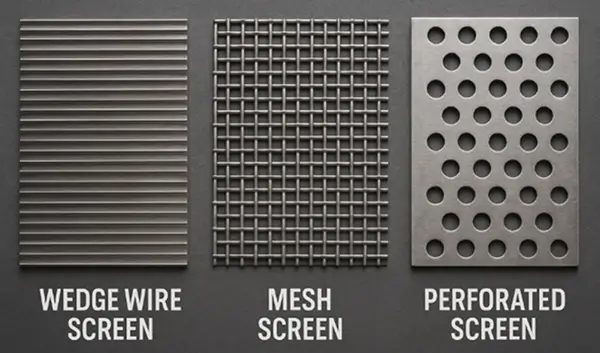
One of the major pain points in the existing wastewater infrastructure is clogging and frequent maintenance of preliminary filtration units. Traditional mesh screens or perforated plates often suffer from:

  • Blinding: Solids sticking and blocking the filter surface
  • High pressure drops: Leading to pump inefficiencies
  • Frequent cleaning or replacement

This not only increases operational costs but also leads to unplanned downtime.

Wedge wire screens, with their continuous V-shaped profile and tapered slot design, address these issues by offering a self-cleaning action, minimal pressure loss, and longer operational life—making them ideal for today’s industrial effluent conditions.

How Wedge Wire Screens Fit into Modern Wastewater Systems

Modern wastewater treatment systems are increasingly designed with energy efficiency, modularity, and reliability in mind. This shift demands components that not only perform consistently under load but also require minimal manual intervention. Wedge wire screens are uniquely positioned to meet these demands due to their structural integrity and continuous open area.

Here’s how wedge wire screens are integrated across key stages of wastewater treatment:

  • Inlet Screening: Positioned at the entry point of an ETP or STP, wedge wire screens act as the first line of defense by removing rags, plastics, grit, and other large solids that could damage downstream pumps and processes.
  • Equalization and Sedimentation Tanks: Flat or curved screens (such as Sieve Bends) are used to separate floating and settleable solids before biological treatment, reducing load and improving process efficiency.
  • Sludge Dewatering: In the final stage, cylindrical wedge wire screens are deployed within rotary drum filters or screw presses to remove water from sludge—lowering sludge volume and reducing disposal costs.

Because of their non-clogging profile, high mechanical strength, and customizable slot sizes, wedge wire screens are increasingly replacing conventional filter media in industrial plants aiming to boost reliability and lower lifecycle costs.

Application-Wise Use Cases in Wastewater Plants

Each stage of wastewater treatment demands a specific filtration function—from coarse removal to final dewatering. Wedge wire screens, due to their adaptable design formats, are suited for a variety of these functions across multiple industries.

Sieve Bends for Gravity Screening in ETPs

Sieve Bends are curved wedge wire screens installed in open channels or gravity-fed systems. These screens efficiently separate fibrous and granular solids from liquid flows, particularly in industries like sugar, starch, and pulp & paper. With no moving parts and low maintenance, Sieve Bends are a cost-effective option for primary treatment.

Rotary Drum Screens for Sludge Handling

Rotary drum screens, fitted with wedge wire cylinders, are used in processes where sludge or high-solid content wastewater needs mechanical separation. Industries such as pharmaceuticals, textiles, and food processing use them for sludge thickening and pre-dewatering. The self-cleaning design ensures consistent performance even under variable load conditions.

Underdrain Nozzles in Pressure Sand Filters and Activated Carbon Beds

In tertiary treatment stages, wedge wire nozzles and distributor laterals are commonly used in media filters. These components prevent media leakage, ensure even flow distribution, and withstand repeated backwashing cycles. They are crucial in industries where treated effluent is reused—for boiler feed, cooling towers, or irrigation.

By tailoring the screen geometry and materials to the application, wedge wire systems offer unmatched efficiency and durability in industrial wastewater environments.

Technical Advantages in Harsh Effluent Environments

Wedge wire screens are engineered not just for filtration—but for survival in the most demanding industrial conditions. Wastewater often contains corrosive chemicals, high particulate loads, and fluctuating flow rates, all of which can degrade traditional filter media rapidly. Here’s where wedge wire technology stands out:

  • Corrosion Resistance: Made from high-grade stainless steel such as SS304, SS316L, or duplex steel, wedge wire screens withstand acidic, alkaline, and saline effluents without pitting or corrosion.
  • High Flow Rate with Low-Pressure Drop: The precise wedge-shaped slots minimize resistance, allowing more liquid to pass through without increasing energy consumption. This optimizes pump efficiency and reduces operating costs.
  • Mechanical Strength: The wire-wrapped, welded design delivers superior load-bearing capacity, making it ideal for high-pressure environments or applications with abrasive solids.
  • Customizable Slot Size: Slot widths from 0.2 mm to 1.5 mm can be tailored based on the solid-liquid separation requirement—whether for coarse debris or fine particulate matter.
  • Extended Lifespan: With proper maintenance, wedge wire screens can operate effectively for 3–5 years in continuous service, significantly outperforming mesh or perforated alternatives.

These features make wedge wire screens the preferred choice for ETPs and STPs handling aggressive, high-volume wastewater streams.

How to Choose the Right Screen for Your Application

Selecting the ideal wedge wire screen for your wastewater treatment setup requires a careful evaluation of both process conditions and mechanical specifications. A well-matched screen ensures higher uptime, better filtration efficiency, and longer service life. Here’s what to consider:

1. Slot Size

Choose the slot width based on the particle size distribution in your wastewater stream:

  • 0.2 – 0.5 mm for fine filtration (tertiary treatment, polishing filters)
  • 0.5 – 1.0 mm for medium solids (equalization tanks, rotary drum)
  • 1.0 – 1.5 mm for coarse solids (inlet screening, Sieve Bends)

2. Screen Format

Pick the screen shape and mounting type depending on the process layout:

3. Material Grade

Match the screen material to the chemistry of the effluent:

  • SS304 for general-purpose industrial use
  • SS316L for high-chloride or acidic waste
  • Duplex Steel for highly corrosive or abrasive applications

4. Operating Conditions

Don’t forget to factor in:

  • Flow rate (m³/hr)
  • Temperature
  • pH range
  • Frequency of backwashing or cleaning

By combining process data with expert screen design, industries can achieve optimized filtration with minimal intervention. For custom engineering support, our team at Multitech is always ready to assist.

Final Thoughts: Reliable Filtration for a Sustainable Future

As industries evolve to meet the dual challenges of environmental responsibility and operational efficiency, wastewater treatment technologies must also keep pace. Wedge wire screens provide a practical, proven solution that meets today’s demands—offering durability, performance, and minimal downtime.

From primary inlet screening to tertiary polishing, their application versatility makes them an asset in every stage of wastewater management. More importantly, their long life and low-maintenance design align perfectly with sustainability goals such as Zero Liquid Discharge (ZLD), water reuse, and ESG compliance.

At Multitech Engineers, we specialize in precision-manufactured wedge wire screen solutions tailored for real-world performance in harsh industrial environments. Whether you’re upgrading an ETP or designing a new treatment line, our team can help engineer the right solution for your plant’s needs.

For more information, or to speak with a filtration expert, get in touch with us today.

The Future of Industrial Filtration: Smart Designs for Smarter Factories

As Indian manufacturing embraces the advancements of Industry 4.0, the focus shifts toward integrating intelligent systems that enhance efficiency, customization, and sustainability. Among these innovations, wedge wire screens emerge as pivotal components, aligning seamlessly with the objectives of modern, automated factories.

Understanding Industry 4.0 and Its Impact on Filtration

Industry 4.0 signifies the fusion of digital technologies with manufacturing processes, leading to smarter, more adaptable production environments. Key features include:

  • Real-time Data Analytics: Enabling immediate decision-making and process optimization.
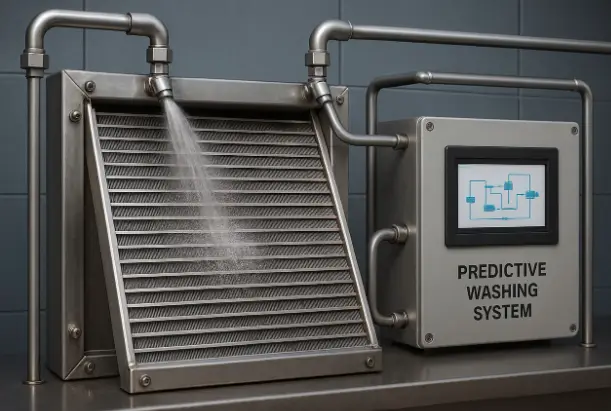
  • Predictive Maintenance: Reducing downtime by anticipating equipment failures.
  • Mass Customization: Allowing for tailored products without sacrificing efficiency.

In this context, filtration systems must evolve to meet the demands of precision, adaptability, and integration.

As Indian manufacturing embraces the advancements of Industry 4.0, the focus shifts toward integrating intelligent systems that enhance efficiency, customization, and sustainability. Among these innovations, wedge wire screens emerge as pivotal components, aligning seamlessly with the objectives of modern, automated factories.


Wedge Wire Screens: The Smart Choice for Modern Filtration

Wedge wire screens are engineered with precision, featuring V-shaped profiles that offer several advantages:
Enhanced Flow Rates: The design minimizes clogging, ensuring consistent filtration.
Durability: Constructed from robust materials like stainless steel, they withstand harsh industrial conditions.
Customizability: Slot sizes and configurations can be tailored to specific applications, aligning with the mass customization trend of Industry 4.0.

These attributes make wedge wire screens integral to smart manufacturing setups, where efficiency and adaptability are paramount.

Integration with Smart Factory Systems

Incorporating wedge wire screens into smart factories offers several benefits:

  • Seamless Automation: Their consistent performance complements automated processes.
  • Data-Driven Maintenance: Integration with sensors allows for monitoring and predictive maintenance, reducing unexpected downtimes.
  • Energy Efficiency: Optimized flow reduces energy consumption, contributing to sustainability goals.

By aligning with the principles of Industry 4.0, wedge wire screens not only enhance filtration but also contribute to the overall intelligence of manufacturing systems.

Conclusion

As the manufacturing landscape evolves, embracing smart designs in every component becomes essential. Wedge wire screens exemplify this shift, offering precision, durability, and adaptability that align with the goals of Industry 4.0. By integrating such intelligent filtration solutions, factories can achieve higher efficiency, reduced downtime, and greater customization, positioning themselves at the forefront of modern manufacturing.

Why Indian Industries Are Shifting to Wedge Wire Screens—And Why You Should Too

India’s manufacturing sector is evolving rapidly—driven by tighter environmental norms, cost pressures, and increasing expectations for efficiency. As industries across the country modernize under the “Make in India” vision, one upgrade is standing out: the shift from perforated and mesh screens to wedge wire screens.

If you’re still using traditional filtration methods, this might be the industrial upgrade you’re missing.

What’s Driving the Shift?

1. Regulatory Pressures & Sustainability Goals
With regulations like the Solid Waste Management Rules (2016) and Zero Liquid Discharge mandates, Indian industries are under pressure to adopt more precise and efficient filtration systems. Wedge wire screens offer the kind of durability and filtration performance needed to meet these evolving standards.

2. Efficiency, Durability & ROI
Wedge wire screens last longer, clog less, and handle higher flow rates—leading to reduced maintenance and lower lifetime costs. Despite a higher initial investment, they deliver a higher ROI over time.

Why Wedge Wire Leads the Pack

Feature Wedge Wire Screens Perforated Screens Mesh Screens
Filtration Precision As fine as 127 microns (0.005″), highly uniform Limited to ≥3.175 mm (1/8″), less precise As low as 5 microns, but clog-prone
Clogging Resistance V-profile minimizes clogging Straight holes clog easily Frequent clogging with fine particles
Durability Welded stainless steel, corrosion-resistant Depends on thickness; vulnerable to cracking Weak under pressure, prone to stretching
Open Area Up to 75% (higher flow rates, lower pressure drop) Moderate, often <40% Lower in finer meshes, reduces flow
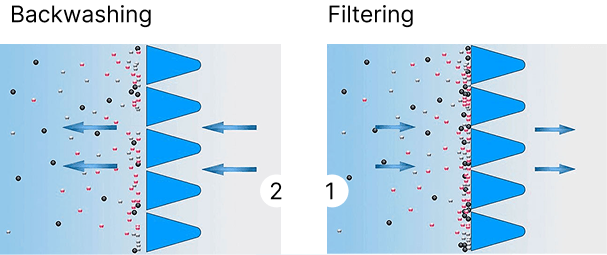
Maintenance Easy to clean, supports backflushing Requires manual cleaning Needs frequent cleaning, delicate
Customization Slot size, shape, structure highly customizable Limited hole pattern options Some material/size variation
Cost Higher upfront, low lifecycle cost Lower upfront, high maintenance/replacement cost Low upfront, high maintenance and frequent replacement

Wedge Wire Screens

Backed by Data

The wedge wire screen market is projected to grow from USD 0.78 billion (2024) to USD 1.05 billion by 2032, at a CAGR of 3.7%. (Business Research Insights, 2024)

Wedge wire screens offer up to 30% lower maintenance costs and 25–40% longer lifespan compared to perforated and mesh screens, especially in high-load applications. (North American Mining, 2023)

Why It Matters for Indian Manufacturers

1. Aligned with ‘Make in India’

Manufacturers are increasingly investing in high-quality, long-life industrial components to reduce import dependency and align with national manufacturing goals.

2. Improved Process Reliability

Less clogging and downtime means smoother operations—especially critical in sectors like sugar, pulp & paper, and wastewater treatment.

3. Scalable Across Industries

From food-grade filters in breweries to high-capacity dewatering in mining, wedge wire screens can be custom-built to match industrial needs.

Conclusion:

It’s Time to Upgrade
If your plant is still relying on outdated filtration technology, you’re not just behind the curve—you’re leaking time, money, and energy. Wedge wire screens offer a smarter, stronger, and more sustainable future for Indian industry.
Multitech Engineers specializes in precision-engineered wedge wire screens made for the evolving demands of Indian manufacturing. If you’re ready to upgrade your filtration system—start here.

Wedge Wire Screens 101: What They Are and Why They’re Changing the Filtration Game

In the evolving landscape of industrial filtration, wedge wire screens have emerged as a superior solution, offering enhanced efficiency, durability, and versatility across various applications.

What Is a Wedge Wire Screen?

A wedge wire screen is a filtration device constructed by welding V-shaped (wedge) wires onto support rods. This design creates continuous slots that allow fluids to pass through while retaining solids. The unique structure ensures precise filtration and minimizes clogging.

How Do Wedge Wire Screens Work?

Wedge wire screens operate on the principle of mechanical filtration. They are constructed by welding V-shaped (wedge) wires onto support rods, forming precise and uniform slots. As fluid or gas passes through these slots, solid particles larger than the slot size are retained on the screen’s surface, while smaller particles pass through. This design ensures efficient separation and minimises clogging.

wedge wire drawing

Flow Directions:

Outside-to-In (Flow-Out-to-In): Fluid enters from the outside and exits from the inside. This configuration is common in applications where easy cleaning is essential.
Inside-to-Out (Flow-In-to-Out): Fluid enters from the inside and exits from the outside. This setup is often used when the collected solids need to be retained within the screen.

The choice between these configurations depends on the specific application and maintenance requirements.

Types of Filtration Achieved by Wedge Wire Screens

Wedge wire screens are versatile and can be tailored to various filtration needs across multiple industries:

1. Solid-Liquid Separation

Ideal for industries like wastewater treatment, food processing, and mining, wedge wire screens efficiently separate solids from liquids, ensuring cleaner effluent and improved product quality.

2. Size Classification

In mining and mineral processing, these screens classify particles based on size, aiding in the separation of valuable minerals from waste material.

3. Dewatering

Wedge wire screens are employed to remove excess water from solids, crucial in industries like pulp and paper, where moisture content affects product quality.

4. Pre-Filtration

Used as a preliminary filtration step, they protect downstream equipment by removing larger particles, extending the lifespan of finer filters.

5. Resin Trapping

In water treatment systems, wedge wire screens trap resin beads, preventing them from entering the distribution system and ensuring consistent water quality.

Each application benefits from the screen’s customizable slot sizes, high strength, and resistance to clogging, making wedge wire screens a reliable choice for diverse filtration needs.

Why Are They Revolutionising Filtration?


backwashing&filtering


1. Precision Filtration

The uniform slots in wedge wire screens provide accurate separation of particles, making them ideal for applications requiring high precision.

2. High Strength and Durability

Constructed from stainless steel, these screens can withstand high pressures and are resistant to corrosion, ensuring a longer lifespan even in harsh environments.

3. Reduced Clogging

The V-shaped design minimizes clogging by allowing particles to pass through more easily, reducing maintenance needs and downtime.

4. Versatility Across Industries

Wedge wire screens are adaptable to various industrial applications, including water treatment, food processing, mining, and chemical processing.

Conclusion:

Wedge wire screens offer a blend of precision, durability, and versatility, making them an invaluable component in modern filtration systems. At Multitech Engineers, we specialise in providing high-quality wedge wire screens tailored to your specific needs.

Get Brochure Now!

Get Quotation Now!