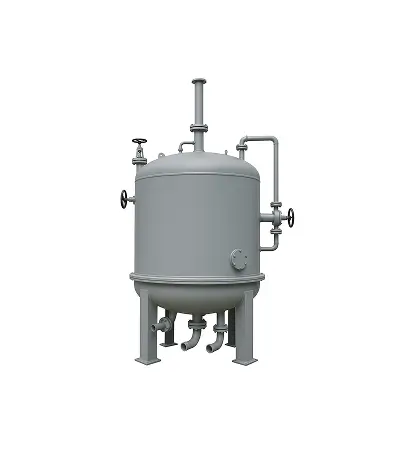
Cane Juice Clarifiers: Ensuring Purity in Modern Sugar Processing

Cane Juice Clarifiers play a quiet but decisive role in how sugar mills perform today. Most of the time, when quality or recovery drops, we look at the boiling house, evaporator fouling, or filtration losses. But very often, the issue starts earlier – at juice clarification.

Sugar buyers today are strict. They look at color, brightness, and purity before anything else. Mills have to maintain stable clarity even when cane quality changes or when the crushing rate goes higher during the peak season.

If the juice is not clear, everything afterward becomes harder:

  • Evaporator scaling increases.
  • Crystallization becomes unstable.
  • Recovery percentage goes down.

So the clarifier is not just a vessel. It is the balance point of the entire mill.

I have seen sugar factories where the clarifier running well means the whole plant feels lighter. Operators are calmer. Brix control is steady. Filters do not choke. And the day simply goes smoothly.

The Weak Links in Conventional Clarification

Old clarifier setups often struggle because they were built for a different time. Lower crushing rates, more consistent cane quality, and slower process expectations.

Common problems look simple but are expensive:

You feel this most during peak crushing days. The clarifier becomes the bottleneck. And when one section chokes, the whole mill must wait.

A mill manager once told me:

“When the clarifier slips, the whole plant feels it within 20 minutes.”
He was right.

Where Modern Engineering Helps

Modern clarifier designs have one goal – consistent purity at stable throughput.

Key improvements:

  • Better hydraulic flow paths prevent short-circuiting.
  • Rake mechanisms are designed to keep mud soft, not packed.
  • Temperature and pH systems allow tighter control.
  • Lower flocculant and lime requirements reduce both cost and handling effort.

This also reduces load on downstream equipment:

  • Filters handle less dirt.
  • Evaporators stay cleaner longer.
  • Crystallization becomes predictable.

You don’t need perfection to improve sugar quality.
You just need stability.

This is something we also see in fiber wash and screening equipment in sugar production. If you want to see how clarity affects fiber and water systems, here is more information:
https://multitechengineer.com/fiber-wash-screens-in-sugar-mills-keeping-production-clean-and-efficient/

Cane Juice Clarifiers in Modern Sugar Quality Standards

Sugar grading today is not only visual. Buyers look for turbidity, ash reduction, and color values. Many mills are now audited on how consistently they maintain output quality shift after shift.

Typical working targets in refined and plantation white sugar units:

These are not small numbers.

A 0.25% recovery improvement over a crushing season can mean lakhs of rupees saved — without increasing cane supply.

Operational Role of Cane Juice Clarifiers in the Process Flow

The clarifier sits between juice heating and filtration. If the juice leaving the clarifier is clean, the rotary vacuum filters have less work. The mud cake is drier and easier to process. More sugar can be recovered from the mud without extra passes.

If the clarifier output is poor, filtration suffers.
And when filtration suffers, the boiling house works harder to compensate.
This is where energy, lime, manpower, and sometimes patience are lost.

In short:
Stable clarifier → stable mill.

A Real Mill Example

A cooperative mill in Maharashtra, with a capacity of around 3500 TCD, was facing fluctuating color and poor mud handling. Their clarifier was structurally strong, but the rake mechanism was outdated.

After upgrading the rake drive and flow distribution:

  • Turbidity dropped from ~600 ppm to ~180 ppm.
  • Lime consumption reduced by about 9%.
  • Recovery improved roughly 0.16%.
  • Mud filters stopped choking every few hours.

No magical changes.
Just better controlled settling and mud movement.
Sometimes improvement is not a big overhaul.
It is an adjustment that allows the process to breathe again.

What Buyers Should Check Before Selecting a Clarifier

A checklist keeps decisions clean and technical:

  1. Plate thickness and welding quality.
  2. Rake torque rating (important if mud volume is inconsistent).
  3. Flow distribution at inlet — look for smooth, non-turbulent entry.
  4. Material choice — SS or coated MS, depending on juice characteristics.
  5. Access platforms for cleaning and seasonal maintenance.

Procurement should always evaluate these points upfront.
It avoids “adjustment costs” later.

About Multitech Engineers

Multitech Engineers works with sugar mills, starch plants, chemical units, and filtration-heavy industries. Our approach is simple – we design equipment to handle real factory conditions, not ideal ones.

For clarification systems, we also integrate wedge wire internals where suitable. This helps maintain a stable flow and reduces clogging chances.

We also support mills during:

  • Commissioning
  • Seasonal run adjustments
  • Efficiency audits

If you are working on water reuse and process liquor handling in sugar plants, this reference might help:
https://multitechengineer.com/screens-for-bagasse-water-reuse-in-sugar-production/

Our goal is always the same: Stable performance with fewer interruptions.

Conclusion

Cane Juice Clarifiers are central to sugar quality, plant stability, and recovery efficiency. When the clarifier works well, the entire mill benefits – from evaporators to final crystal brightness. Modern clarifier design is not about being “advanced.” It is about reducing variation. And variation is what costs sugar mills the most.

If your mill is planning an upgrade, expansion, or performance audit. We can help evaluate the current clarifier conditions and suggest practical improvements.

Contact us for more information.
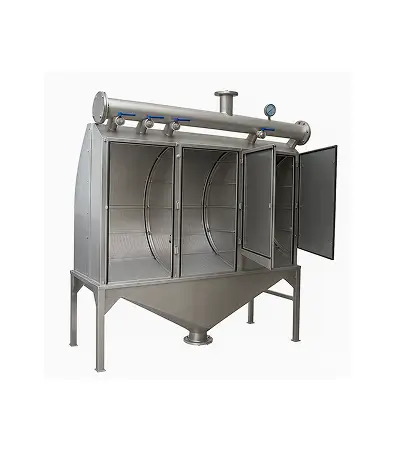
Cost Savings in Pulp Mills: The Role of Fiber Wash Screens in Efficiency

Introduction: Why Fiber Wash Screens Define Mill Efficiency

Fiber Wash Screens have quietly become one of the most important tools in pulp mill cost optimization. Every pulp mill manager knows this – the smallest fiber loss adds up to big yearly losses. What escapes with wash water is not just pulp; it’s raw material, energy, and production cost flowing out of the system.

The pulp and paper industry is already under pressure. Energy bills are rising, water use is monitored, and sustainability targets are strict. In India, mills are especially challenged to maintain output while meeting new environmental norms and cost limits. So efficiency now means more than running fast – it means recovering every useful fiber and reducing waste at every stage.

That’s where Fiber Wash Screens come in. Their precise wedge wire design ensures that pulp fibers stay in the system while water and liquor pass through smoothly – no clogging, no excessive cleaning, no downtime. The goal is simple: recover more, waste less.

At Multitech Engineers, we have seen mills transform washing efficiency simply by upgrading to wedge wire-based screening. From sugar to paper to effluent treatment, the same principle holds true – the right screen design changes the economics of an operation.

What Efficient Fiber Washing Actually Means

Let’s start with the basics. Fiber washing separates usable fibers from black liquor and process water. The cleaner this separation, the higher your pulp yield and the lower your overall cost per tonne.

In older systems, many mills still rely on perforated or mesh filters. They work, but only for a while. The openings clog, efficiency drops, and cleaning cycles increase. The result? More downtime, higher water use, and gradual loss of fiber quality.

Modern Fiber Wash Screens, especially those made with wedge wire profiles, solve these pain points. Their V-shaped wire allows liquid to pass while preventing fiber clogging. The result is consistent throughput, cleaner filtrate, and less maintenance.

Because each screen is engineered to a specific slot size, you get precision control over fiber retention. And because the structure is all-welded stainless steel, the screen can withstand high-pressure washing without warping or breaking – something that mesh filters simply can not handle.

In short: less downtime, longer life, and higher recovery. That’s what efficient fiber washing really looks like.

For mills that run around the clock, this difference shows up not just in yield, but also in stability. The process becomes predictable, maintenance becomes scheduled (not emergency), and your operators spend less time fighting clogs.

You can explore more about how similar filtration designs work in wastewater and process industries in our post on How Multi Rake Bar Screens Safeguard Pumps and Improve Plant Reliability.

Where Fiber Wash Screens Are Used in Pulp Mills

Fiber Wash Screens are not limited to one part of the pulp-making process. They work across several critical sections of a mill where fiber recovery or water reuse is involved.

Here are the major applications:

  • Brown Stock Washing: After cooking, pulp still carries a mix of fibers, liquor, and chemicals. Screens here separate valuable fibers from the black liquor stream.
  • Fiber Recovery Loops: In closed water circuits, fibers tend to escape with wash water. Screens recover these fines before the water goes to treatment or reuse.
  • Chemical Recovery: Fibers that enter evaporators or recovery boilers cause fouling. Proper screening ensures cleaner feed and less downtime for cleaning.
  • White Water Systems: Screens reclaim usable fibers from paper machine white water, reducing both fiber loss and fresh pulp input.
  • Effluent Treatment: Before discharge, primary screening helps reduce suspended solids load – protecting pumps and downstream clarifiers.

For each of these steps, the screen’s slot width, shape, and open area are fine-tuned to match flow and consistency. That is why mills that use custom wedge wire screens see much higher consistency in recovery rates.

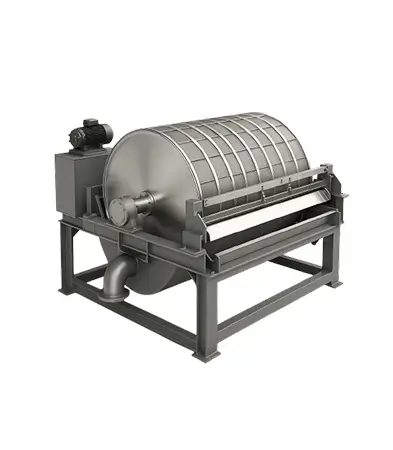
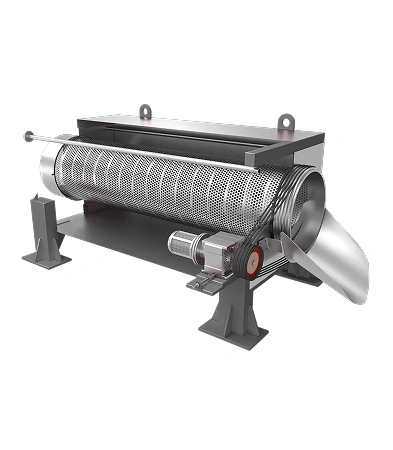
At Multitech Engineers, we build specialized Fiber Wash Screens and related equipment such as Rotary Drum Screens, Static Incline Hill Screens, and Rotary Vacuum Drum Filters, all designed to support pulp and water recovery systems across India’s major mills.

How Fiber Wash Screens Drive Cost Savings

Now let’s look at the numbers side of the story. Every pulp mill operates on tight margins. Cost saving is not just about energy; it’s about how efficiently you use your raw materials, water, and maintenance time. Fiber Wash Screens directly influence all three.

1. Higher Fiber Yield

Every kilogram of fiber recovered is direct profit. A good wash screen captures fines that older systems lose. Over months, that adds up to several tonnes of pulp saved – without any extra raw material input.

2. Lower Water and Energy Use

Efficient screening means cleaner filtrate and fewer backwash cycles. That means pumps run less often, heating loads go down, and your overall energy footprint shrinks.

3. Reduced Maintenance Costs

Clogged mesh screens require frequent cleaning and replacement. Wedge wire designs clean themselves naturally due to the V-wire shape. Operators can go longer between maintenance checks, and the screens themselves last years instead of months.

4. Less Chemical Consumption

Cleaner pulp from efficient washing means less bleaching and reprocessing downstream. This directly lowers chemical use and saves additional costs in effluent treatment.

5. Extended Equipment Life

Stainless steel wedge wire construction resists corrosion and mechanical wear. So equipment like Sieve Bends or Centrifuge Baskets that work with the same principle also lasts longer. That keeps replacement expenses low.

Each of these improvements seems small on its own. But when you sum them across a year of operation, the cost reduction is significant. That’s why many Indian mills upgrading to modern filtration systems report not only improved pulp quality but also lower total cost of ownership.

For a deeper look at performance differences between screen types, you can also check our article on Incline vs. Rotary Screens: How to Choose the Right Fit for Your Process.

The Sustainability and Circular Economy Link

Pulp mills today are not just asked to be profitable – they are asked to be sustainable. Water recycling, reduced chemical load, and low waste discharge are all part of compliance and brand responsibility.

Fiber Wash Screens naturally support this shift. By recovering fibers from process water, they reduce load on effluent treatment systems and minimize solid waste generation. The wedge wire structure is fully reusable and recyclable. That means less material disposal over time.

It aligns perfectly with the CPCB’s push for closed-loop water systems and Zero Liquid Discharge (ZLD) frameworks in high-water industries. Mills adopting advanced screening are not only saving money – they are also meeting sustainability norms more easily.

This same approach has proven effective in other industries, too. You can read our blog How Wedge Wire Screens Support Circular Water Use and ZLD to understand how similar principles apply across sectors.

Conclusion

In modern pulp production, efficiency is no longer optional – it is survival. And Fiber Wash Screens are one of those quiet but essential technologies that make this efficiency possible.

They help mills recover every usable fiber, reduce water and energy waste, and extend the life of critical equipment. They are durable, consistent, and customizable for each mill’s process flow.

At Multitech Engineers, we see screens not as consumables but as precision tools – part of the process backbone. When designed right, they deliver both economic and environmental value.

So, if you are looking to upgrade your washing line or cut down maintenance losses, it may be time to rethink your screening systems.

👉 Explore our complete range of Fiber Wash Screens and other wedge wire filtration products built for pulp, paper, and process industries.

How Wedge Wire Screens Help Indian Industries Meet 2025 Wastewater Norms

Wedge Wire Screens are now central to filtration and compliance discussions in Indian industrial wastewater treatment. The regulatory climate is shifting fast. What used to be “good to have” filtration is now a mandatory compliance requirement linked directly to the right to operate.

In recent policy developments:

  • The MoEFCC has been pushing Zero Liquid Discharge (ZLD) for high-impact and polluting industries, with wider enforcement expected by 2025.
  • CPCB has tightened norms for BOD/COD in effluent discharge across industrial clusters.
  • State Pollution Control Boards are requiring online monitoring, data logging, and automation to ensure traceability.

Non-compliance today can result in:

  • Significant penalties
  • Forced plant shutdowns
  • Suspension or cancellation of discharge permissions
  • Even impact on expansion or renewal approvals

So water treatment is no longer only an environmental priority. It has become a business continuity and operational stability issue.

For foundational context on filtration design thinking, refer to:
https://multitechengineer.com/wedge-wire-screens-101-what-they-are-and-why-theyre-changing-the-filtration-game/ 

The Compliance Curve Is Rising

Plants are being evaluated not only by what technology they use, but also by whether they can consistently meet outlet parameters under variable loads. The gap often appears at the primary screening stage, which sets the tone for the entire treatment chain.

If primary screening is weak → every subsequent system has to work harder.
This is where many plants struggle.

Common Filtration Weak Links That Cause Non-Compliance

We see a similar pattern across textile, paper, chemical, food processing, sugar, municipal STPs, and mixed industrial effluent clusters:

  • Overloaded biological systems, because suspended solids bypass early screening
  • Failure to maintain TSS benchmarks
  • Screens clogging or tearing under continuous load
  • Increased manual cleaning and downtime
  • Variability in treatment performance across shifts and seasons

These issues lead to:

  • Frequent clarifier failures
  • Higher energy and chemical dosing
  • Sand and cartridge filters are choking early
  • RO/UF membrane fouling and premature replacement

Example of screen choice affecting upstream reliability:
https://multitechengineer.com/how-multi-rake-bar-screens-safeguard-pumps-and-improve-plant-reliability/

The bottom line: When the first filtration stage fails, the rest of the system becomes unstable.

Where Wedge Wire Screens Come In

What differentiates wedge wire construction is slot geometry and mechanical durability.

Key technical advantages:

  • Precise slot sizing → Consistent removal of targeted particle ranges
  • High open area → Stable flow, lower head loss, less pumping energy
  • Continuous weld integrity → Structural stability under variable hydraulic load
  • Custom engineering → Screen built to match your inlet characteristics and load profile

Typical engineered variants:

  • Coarse screening: step-well setups, canal intake, river intake, sump pits
  • Fine filtration: pre-RO filtration trains, clarifier overflow, secondary inlet protection

See application notes on step-well configuration here:
https://multitechengineer.com/step-well-style-wedge-wire-screens-for-modern-filtration/

A small comparison example that many plants recognize:

  • Generic mesh screen = Clogs faster, + inconsistent slot gaps + high manual cleaning
  • Wedge wire = Stable openings + self-cleaning flow patterns + predictable life

This stability is what directly ties to compliance performance.

Specific Applications in Wastewater & Water Reuse Setups

a. Effluent Treatment Plants (ETPs)

In ETPs, early removal of suspended solids reduces the burden on aeration tanks and clarifiers.

Used at:

  • Inlet channels
  • Equalization tanks
  • Sludge recirculation pits
  • Clarifier launders and overflow points

Effect:

  • Biological treatment becomes stable
  • Less sludge shock loading
  • More predictable effluent quality

Related example from sugar processing reuse streams:
https://multitechengineer.com/screens-for-bagasse-water-reuse-in-sugar-production/

b. Industrial Water Reuse – Role of Wedge Wire Screens

Industries aiming to reduce freshwater consumption rely heavily on UF and RO systems. One of the biggest cost drivers in reuse plants is membrane fouling.

Stable screening and pre-filtration:

  • Reduces membrane fouling
  • Extends cleaning cycles
  • Reduces consumables and OPEX
  • Stabilizes output water quality across seasonal and load variations

This reduces the cost per kiloliter of reused water.

More reuse-oriented screening logic explained here:
https://multitechengineer.com/how-wedge-wire-screens-support-circular-water-use-and-zld/

c. Municipal or Urban Reuse Projects

Under programs like AMRUT 2.0, Namami Gange, and NMCG, city STPs are required to:

  • Maintain predictable effluent quality
  • Operate continuously with minimal shutdown
  • Supply reused water for urban irrigation or industrial feed

Good screening ensures:

  • Lower ragging
  • Lower pump failure rates
  • Smoother biological system operation
  • Better lifecycle economics for public infrastructure

Backed by Policy: What the Norms Say

Referencing:

  • CPCB Effluent Standards (2022+)
  • MoEFCC Draft Water Reuse/ZLD Circulars (2023–2025)
  • NGT Compliance Mandates, especially in Delhi NCR and the Ganga basin

Clear takeaway: Primary screening directly influences TSS and stability of downstream stages.

Case Example

A textile ETP operator faced frequent clarifier instability because suspended solids were bypassing through fabricated stainless steel plate screens.

After switching to engineered wedge wire inlet and sludge pit screens:

  • Sludge recirculation downtime reduced by ~27%
  • Polymer consumption stabilized
  • RO membrane cleaning interval increased from 18 days to 42 days

This improvement came purely from stable primary filtration, not from adding new treatment equipment.

Visual QC: What Makes a Compliant Screen

Before selecting a screen, verify:

  1. Slot uniformity with actual measurement, not stated tolerance
  2. Weld integrity along the full length
  3. Material certification (SS304, SS316L depending on effluent chemistry)
  4. Open area percentage matched to flow rate and load
  5. Frame and support rigidity, to avoid vibration fatigue over time

Detailed QC identification guide:
https://multitechengineer.com/quality-matters-how-to-identify-a-high-performance-wedge-wire-screen-in-2025/

Conclusion:

Wedge Wire Screens are not an optional upgrade. They are one of the most cost-effective ways to stabilize effluent treatment, protect biological systems, prevent membrane fouling, and stay compliant under stricter CPCB and state-level monitoring frameworks.

Explore engineered screen configurations for India’s current compliance landscape:
https://multitechengineer.com/products/

Rotary Drum Screens in Paper Mills: Boosting Efficiency and Fiber Recovery

Introduction:

Rotary Drum Screens in Paper Mills are often overlooked, but they quietly decide how efficiently a plant runs. In every pulp and paper operation, from fiber recovery to wastewater reuse, screening defines both product yield and environmental compliance.

A modern paper mill operates under tight margins and stricter sustainability targets. Each fiber lost in wastewater or each downtime in a thickener system means wasted raw material, more load on clarifiers, and rising operational costs. That’s where rotary drum screens come in – not as accessories, but as the working backbone of filtration and recovery.

At Multitech Engineers, we have seen how even a small design change – slot width, drum angle, spray system. That can influence fiber yield and maintenance cycles. That experience shapes how we approach rotary screening for pulp and paper plants today.

What Makes Filtration in Paper Mills Unique

Paper mill filtration is not simple. You are not just separating solids from water, only. You are dealing with a mix of short fibers, fillers, and fine particles that behave unpredictably.

The goal is to capture every recoverable fiber while keeping water clear enough for reuse. And that must happen continuously, 24/7. Downtime in a screen section means backflow, pulp loss, and cleaning headaches.

What makes this process even tougher:

  • High fiber load: Thick stock or white water can carry variable solids concentrations.
  • Fine consistency: Filters must separate fibers down to microns without blinding.
  • Hygiene and corrosion: The wet, chemical-rich environment demands durable stainless materials.
  • Ease of cleaning: Frequent wash cycles should not mean long stoppages.

Traditional static or mesh screens often struggle here. They clog, tear, and demand manual cleaning. Rotary drum screens, by contrast, keep turning – literally and operationally – to stay open, self-cleaning, and consistent.

Why Rotary Drum Screens Excel in Pulp & Paper Applications

Here’s what gives rotary drums an edge in paper mill environments.

1. Continuous Operation:

The rotating design keeps the screening surface clean as it works. Solids are lifted, dewatered, and discharged while filtrate passes through. No need for frequent stops or manual cleaning.

2. Precision Slot Control:

Every micron counts when recovering fibers. Our wedge wire construction offers accurate slot sizes that maintain separation quality over time. Unlike woven mesh, it doesn’t stretch or deform.

3. Durability in Harsh Environments:

Drums are built using corrosion-resistant stainless steel, often SS304 or SS316. They hold up under high-pressure wash cycles, pulp abrasion, and chemical exposure – essential in paper mill circuits.

4. Energy and Maintenance Efficiency:

A rotary drum consumes far less power than vacuum systems or high-pressure filtration setups. Its slow, steady rotation reduces wear and mechanical stress.

5. Compatibility with Automation:

They integrate smoothly with modern DCS/PLC systems for automatic backwash and flow control – a must-have in mills shifting toward smart manufacturing.

And because wedge wire screens are the foundation of this design, they inherit all its strengths. Precision, strength, and long cleaning intervals. (For more on screen construction, see our post on Incline vs. Rotary Screens: How to Choose the Right Fit.)

Inside a Paper Mill’s Fiber Recovery Line

To understand where rotary drum screens fit, picture a typical paper mill water loop.

White water flows out of the paper machine. It still carries valuable fibers and fillers. Instead of sending this directly to treatment, it’s routed through the Rotary Drum Screens in Paper Mills. Which trap fibers on the screen surface, while the clean filtrate goes for reuse.

That recovered fiber slurry then returns to the stock chest. Reducing both raw fiber loss and wastewater solids load. The result: less chemical consumption, less sludge, more fiber reuse.

In pulp thickening, rotary screens also dewater pulp efficiently before it moves to the press or dryer section. And in wastewater treatment, they serve as primary screens to protect downstream clarifiers and pumps. A role similar to what Multi Rake Bar Screens do in municipal plants.

How Rotary Drum Screens Improve Mill Operations

Every paper mill manager knows downtime costs. Screens that clog, corrode, or need constant manual cleaning don’t just interrupt flow. They break efficiency. Rotary drum screens change that.

  • Higher Fiber Recovery: Even short and fine fibers are captured, improving yield and reducing raw material cost.
  • Cleaner Process Water: Reduced solids load keeps seal water, showers, and heat exchangers cleaner.
  • Lower Maintenance: No need for daily scraping or manual washing; automated sprays keep screens open.
  • Extended Equipment Life: Pumps, nozzles, and clarifiers handle less debris, reducing wear.
  • Sustainability Gains: Lower water and energy use help meet ETP discharge norms and green compliance targets.

It’s not just about efficiency – it’s about stability. When the screening section runs steadily, the entire paper machine line performs better.

Conclusion: A Smarter Choice for Long-Term Efficiency

Rotary Drum Screens in Paper Mills do more than just filter – they protect assets, recover valuable fibers, and stabilize the process. For mills balancing performance targets and environmental compliance, rotary drums offer a practical path toward consistent uptime and cleaner operation.

At Multitech Engineers, we’ve built our rotary drum screens on years of real plant experience – not assumptions. Each unit is designed to handle variable loads, resist corrosion, and deliver dependable filtration day after day. That’s how mills reduce waste, save on fiber loss, and cut unplanned maintenance.

If your paper plant is facing challenges like frequent choking, fiber loss, or uneven filtrate flow, it might be time to review your screening system.

👉 Visit our Rotary Drum Screen product page: https://multitechengineer.com/products/rotary-drum-screen/

Give us 📞 +91 93124 35166 and speak with our technical team. We will help you choose or customize a design that fits your process precisely.

When your screening system works right, everything else in your mill runs smoother. From water reuse to fiber recovery. And that’s where efficiency truly begins.

Incline vs. Rotary Screens: How to Choose the Right Fit for Your Process

Introduction:

In most plants, screening is the first gate that decides how the rest of the process runs. Choose the wrong screen, and you will spend hours cleaning, adjusting, or stopping the line. Choose the right one, and everything flows smoothly.

That’s what this discussion on Incline vs. Rotary Screens is about – understanding which type fits your process better.

At Multitech Engineers, we have seen how a single mismatch in screen type can impact flow, maintenance, and product quality. In sugar mills, food plants, and wastewater treatment facilities. The right screening setup can mean the difference between a full shift of uptime and hours of lost production.

So before you buy another screen based only on price or size, it’s worth asking – what kind of screening does your process really need?

Understanding Industrial Screening: What It Really Does

Every industrial screen has one job – to separate solids from liquids efficiently. But how it does that depends on its design.

In wedge wire-based systems, precision slot openings allow liquid to pass through while holding back unwanted particles. The efficiency comes not from filters or mesh, but from the geometry of the wire itself.

Screens like Sieve Bends, Rotary Drum Screens, and Static Incline Screens each have unique flow patterns that suit different conditions. The design decides how much water passes, how fast solids slide, and how often cleaning is needed.

At Multitech, we design both Incline and Rotary Screens using stainless steel wedge wire – built for uniform flow, long service life, and minimal clogging.

How Incline Screens Work (and Where They Excel)

An Incline Screen is simple. Water or process fluid flows over a slanted wedge wire surface. Gravity does the work — water passes through, solids slide down. There is no moving part, no drive, no drum.

That simplicity is its strength.

In sugar mills, incline screens are often used to handle juice screening or wash water recovery. In STPs and ETPs, they’re placed at inlet channels to separate solids before treatment. And in cooling water loops, they protect pumps from debris before the water is reused.

Their key benefits:

  • Low maintenance
  • No energy use
  • Compact installation
  • Long operating life

If your plant handles medium solids with steady flow, this is the kind of screen that quietly works in the background for years.

You can learn more about our Static Incline Hill Screens – they are built for strength, uniform slot openings, and easy wash-down, all made in-house at Multitech.

How Rotary Screens Work and Why They’re Chosen for Continuous Operations

A Rotary Screen looks more complex, but it is built for a different kind of job. Imagine a rotating drum – water flows inside (or outside), solids are trapped on the wedge wire surface, and as the drum turns, those solids are gently lifted and discharged.

This motion keeps the screen clean while handling high volumes of solids.

You’ll find rotary screens in:

  • ETPs and STPs that handle continuous wastewater streams
  • Food and beverage plants like dairies or breweries
  • Paper mills and chemical plants where fiber or sludge is common

Their advantages:

  • Continuous operation
  • Handles variable solids
  • Automatic cleaning
  • Steady flow with minimal clogging

Our Rotary Drum Screens and Rotary Screen Trommel are engineered for long service and stable performance under heavy load. Each design is customized for flow rate, slot size, and drum speed.

Incline vs. Rotary Screens: A Practical Comparison

Here’s how these two screen types compare in the real world.

Feature Incline Screen Rotary Screen
Flow Type Gravity-assisted Continuous, pressurized or free-flow
Energy Use None Low to moderate
Moving Parts None Drum + drive mechanism
Ideal Load Medium solids High solids
Maintenance Rare Periodic cleaning
Installation Simple Slightly complex
Typical Use Sugar, intake water, floor drains ETPs, sludge handling, food effluent

Think of it this way – the Incline Screen is a calm, reliable worker that does not need supervision. The Rotary Screen is a powered system that keeps pace when solids keep coming.

How to Choose Between Incline and Rotary Screens

This is where many engineers get stuck. Both work, but they work differently.
Here’s a simple way to decide:

  • Check your flow rate. Steady and moderate? Go with the incline. High and variable? Rotary handles it better.
  • Look at your solids load. Fine particles with low volume fit the incline. Heavy, fibrous, or oily loads need rotary.
  • Consider maintenance access. If your plant prefers minimal moving parts, incline is simpler. But if you can schedule routine cleaning, Rotary offers more throughput.

At Multitech Engineers, we often visit plants to study existing systems before recommending a design. Some sites even use both – incline for pre-screening and rotary for finer separation later.

We also supply related solutions like Multi Rake Bar Screens and Screw Compactors that integrate with both systems to create a complete screening and dewatering setup.

Why the Incline vs. Rotary Screens Debate Matters

Every plant wants to save water, reduce maintenance, and extend equipment life. The Incline vs. Rotary Screens decision is not about which one looks more advanced. It is about which one fits your process rhythm.

An incline setup might be perfect for gravity-fed systems in sugar or starch plants. A rotary drum might serve best in 24×7 wastewater treatment lines.

The goal is not to choose the most expensive screen, but the one that keeps your process running with less interruption and more efficiency.

At Multitech Engineers, we have built screens that last for years – not months. Our manufacturing expertise, backed by decades of industrial experience, helps clients choose smarter, operate cleaner, and maintain less. Our design team uses both mechanical data and on-site feedback to refine every screen – so whether your flow is thick, thin, fast, or uneven, there’s a design that fits.

If you are upgrading your filtration setup, let us talk.

We can help you evaluate flow, solids, and slot size to find the right fit for your plant — whether that’s an Incline Screen, Rotary Drum, or a full system with bar screens and compactors.

👉 Visit our Products Page to explore more or reach out for a consultation.

How Multi Rake Bar Screens Safeguard Pumps and Improve Plant Reliability

Introduction

Pumps are at the heart of every industrial plant. They keep water, slurry, and fluids moving so that processes do not stop. But pumps are also fragile. A single piece of debris – wood, plastic, or waste – can jam an impeller, break seals, and cause hours of downtime. That’s where Multi Rake Bar Screens step in.

These screens act like gatekeepers. They stand before pumps, catch unwanted material, and keep the system clean. In this blog, we will see how they protect pumps, why they matter for plant reliability, and what companies should consider when choosing one.

What Are Multi Rake Bar Screens?

A Multi Rake Bar Screen is a type of mechanical filter used in water intake and wastewater channels. Imagine a strong iron comb fixed across the channel. Waste material – bottles, leaves, cloth – gets trapped on it. Rakes mounted on a moving chain sweep the bars clean and carry the debris upward for disposal.

Factories use them because manual cleaning is slow, costly, and unsafe. Unlike traditional static bar screens, multi rake versions are automated. They keep working without stopping the flow of water, which is critical for power plants, sugar mills, chemical plants, and wastewater treatment units.

The Problem: How Pumps Fail Without Proper Screening

Think of a pump as a runner’s heart. If arteries clog, the whole body slows down. Pumps face a similar risk when water carries waste.

  • Clogging: Plastic bags or rags wrap around the impeller.
  • Abrasion: Stones or metal damage pump parts.
  • Overheating: The motor works harder, increasing energy costs.
  • Breakdowns: Repairs take days, and production losses can be huge.

One sugar mill engineer once explained how a pump outage during peak season cost them nearly two days of downtime. All because of a small blockage. The lesson was simple – better screening at the intake could have prevented it.

How Multi Rake Bar Screens Safeguard Pumps

This is where Multi Rake Bar Screens prove their value.

  • Continuous removal: The moving rakes clean the bars nonstop, so debris doesn’t pile up.
  • Pump protection: Impellers and seals are safe from entanglement and wear.
  • Lower energy use: Pumps don’t fight against clogged pathways.
  • Less manual labor: Workers don’t need to clean channels with hooks or rods.
  • Longer equipment life: With fewer breakdowns, pumps last longer.

Here’s how it works: the screen acts like a filter wall. As water flows through, debris stays outside. The rake teeth catch it and lift it to the surface. It’s simple, but it saves pumps from daily punishment.

Improving Plant Reliability with Multi Rake Bar Screens

Reliability in a factory is not just about machines running. It is about them running without surprise failures. Pumps are central to this.

When Multi Rake Bar Screens are in place:

  • Pumps keep running smoothly.
  • Maintenance teams deal with fewer emergencies.
  • Operations stay predictable, which matters for deadlines and contracts.
  • Compliance improves because wastewater treatment stays efficient.

In wastewater treatment plants, for example, blockages can create backflow, foul odor, and unsafe conditions. With proper screening, flow remains steady, and operators focus on higher-value tasks instead of emergency cleaning.

Key Features Buyers Should Look For

Not all screens are equal. Here are practical factors factories should check:

  • Material strength: Stainless steel with corrosion resistance is best.
  • Bar spacing: This depends on debris type – narrow for finer waste, wide for larger solids.
  • Automation level: Some screens are fully automatic; others are semi-automatic.
  • Energy efficiency: A screen should not consume more power than it saves.
  • Ease of maintenance: Spare parts and servicing must be simple.
  • Support from the supplier: Availability of service teams and customization.

Choosing the right equipment is a lot like picking the right pump size. One mismatch, and the whole system struggles.

Why Multitech Engineers for Multi Rake Bar Screens?

Multitech Engineers has been designing industrial screening and filtration solutions for industries ranging from sugar and starch to oil, minerals, pulp, paper, and chemicals. The company’s focus is on engineering reliability.

Factories that already use their fiber wash screens in sugar mills or static hill incline screens in water treatment know the value of robust design. With the experience in wedge wire screen filters and other filtration products, Multitech brings proven expertise to custom Multi Rake Bar Screens as well.

This is not about selling a product. It is about ensuring pumps and plants work without disruption.

Real-World Example

A mid-sized chemical factory in India installed Multi Rake Bar Screens after facing repeated pump failures. Before installation, they spent nearly ₹10 lakh a year on repairs and lost production time. Within the first year of using the screens, pump breakdowns dropped by 70%.

The plant head explained it simply: “We do not get those night calls anymore. Pumps just keep running.”

It is not dramatic – it is basic engineering working as it should.

Conclusion

Pumps are vital, but they are also vulnerable. A simple blockage can halt an entire line. Multi Rake Bar Screens act as the first shield, keeping debris out and pumps safe. With fewer breakdowns, plants become more reliable, efficient, and predictable.

For factories planning filtration upgrades, the choice is clear – invest in reliable screening at the intake. Multitech Engineers offers industrial-grade solutions that fit real-world conditions. Explore related products like screens for bagasse water reuse, step well style wedge wire screens, and rotary drum filters to see how proper screening supports pumps and processes.

Good pumps keep plants alive. And good screening keeps pumps alive.

FAQ

What is a Multi Rake Bar Screen?
It’s a mechanical filter with rakes that remove debris continuously from water channels.

How does it protect pumps?
It stops debris from reaching impellers and seals, preventing clogging and wear.

Which industries need Multi Rake Bar Screens?
Sugar mills, power plants, wastewater treatment plants, chemical factories, and more.

How to choose the right one?
Check bar spacing, material strength, and level of automation based on your plant’s debris load.

What maintenance is required?
Routine checks on chain tension, rake teeth, and lubrication are usually enough.

Fiber Wash Screens in Sugar Mills: Keeping Production Clean and Efficient

Fiber Wash Screens in Sugar Mills play a critical role in ensuring smooth sugar production. Without proper fiber separation, bagasse and other solid residues can clog systems, reduce juice clarity, and slow down operations. For sugar mills, efficiency is everything, and the right filtration technology can make the difference between downtime and consistent output.

At Multitech Engineers, we design fiber wash screens that can handle heavy fiber loads, resist wear, and maintain hygienic operations. Here is a detailed look at why these screens are essential, how they work, and how they improve overall mill efficiency.

Why Filtration Is Unique in Sugar Mills

Sugar mills face a challenge unlike many other food industries. The raw juice extracted from cane carries a high load of fibers, soil particles, and other solids. If these are not removed efficiently, they can damage downstream equipment, reduce sugar quality, and increase cleaning and maintenance costs.

Filtration in sugar mills is not just about separation – it is about consistency and hygiene. Bagasse fibers can trap moisture and create microbial growth points. That is why fiber screens must be precise, easy to clean, and durable. Traditional mesh screens often clog quickly, and disposable filters are expensive and wasteful.

Fiber wash screens address these issues by offering continuous filtration with minimal downtime. They are built to last, made from stainless steel, and designed to handle high fiber loads without compromising juice clarity.

For more insight on different filtration technologies, you can check the Wedge Wire Screen Filter for the Food Industry Standard.

How Fiber Wash Screens Work

Fiber wash screens are essentially rotating or stationary screens that allow juice to pass while separating the fibrous material. Think of them like a sieve in a kitchen, but built to handle tons of sugarcane juice every hour.

The fibers are gently washed off the screen using water jets or mechanical scrapers. This keeps the screen clear, prevents fiber buildup, and allows continuous operation. The precision slots ensure uniform separation, so the juice flowing downstream is consistently clear.

Depending on the mill’s setup, fiber wash screens can be integrated with other systems, such as rotary vacuum drum filters or static incline hill screens, to improve overall efficiency.

Why Fiber Wash Screens Excel in Sugar Mills

Precision Slot Control

Each slot is designed to allow only juice to pass through while retaining fibers. It is like threading a needle at high speed. The precision ensures consistent juice quality. Multitech Engineers screens maintain slot uniformity even under heavy loads, preventing fiber carryover.

Hygienic Design

Smooth stainless steel surfaces and CIP (Clean-In-Place) compatibility reduce microbial risks. Fibers do not stick, and cleaning cycles are quicker. This aligns with food safety standards and makes mills export-ready.

Durability and Longevity

Fiber wash screens face abrasive materials and high pressure. Ours are engineered to withstand this, reducing the frequency of replacements. Systems such as Rotary Screen Trommel or Flat Panel Circular Panel benefit from this durability.

Reduced Downtime

Less fiber buildup means fewer stoppages. And fewer stoppages mean more sugar produced without interruptions.

Food-Grade Materials

Our screens are made from corrosion-resistant stainless steel. There is no risk of contamination, and the screens maintain integrity even under harsh conditions.

For a deeper understanding, you can see Wedge Wire Screens.

Applications Across Sugar Mills

Fiber wash screens are versatile. They handle multiple stages of sugar production:

  • Juice Screening: Separates bagasse fibers before clarification. Clean juice means better crystal formation downstream.
  • Fiber Dewatering: Reduces water content in bagasse before disposal or use in cogeneration. This improves efficiency in screens for bagasse water reuse.
  • Wastewater Pre-Treatment: Fibers are removed before effluent treatment, reducing load on treatment plants.

Other systems that often integrate with fiber wash screens include:

This integration ensures the mill runs smoothly and efficiently at every stage.

Operational Benefits of Fiber Wash Screens

Fiber wash screens do not just separate fibers – they improve overall mill operations:

  • Higher Uptime: Reduced cleaning cycles mean the mill can operate longer without interruptions.
  • Better Juice Clarity: Less fiber carryover reduces load on clarifiers and improves sugar quality.
  • Cost Savings: Longer screen life and reduced maintenance lower operating costs.
  • Supports Compliance: Aligns with FSSAI hygiene standards and export requirements.

In many mills, switching to fiber wash screens also enables integration with automation-friendly systems, such as Step Well Style Wedge Wire Screens or custom wedge wire screens, further improving production efficiency.

Real-World Case Examples

Case 1: Large Sugar Mill in Maharashtra

Before installing fiber wash screens, fiber carryover caused frequent stoppages and juice clarity issues. After implementing Multitech Engineers’ Fiber Wash Screens, the mill reduced downtime by 25% and improved juice clarity significantly.

Case 2: Mid-Sized Plant in Uttar Pradesh

The plant integrated fiber wash screens with a Rotary Vacuum Drum Filter. Fiber dewatering efficiency improved, water usage dropped, and downstream clarification became smoother.

Case 3: Modern Mill Using Automation

By combining fiber wash screens with Step Screens and Nozzles Strainer, the mill maintained consistent production even during peak season. Maintenance requirements dropped by half.

These examples show the tangible impact of fiber wash screens on efficiency, water usage, and overall production quality.

Choosing the Right Fiber Wash Screens

When selecting fiber wash screens, consider:

  • Slot Size: Matches fiber dimensions for optimal separation.
  • Material: Stainless steel for durability and hygiene.
  • Design: CIP-compatible and easy to integrate with existing systems.
  • Capacity: Should handle the mill’s peak production loads.

At Multitech Engineers, we provide custom solutions to meet specific mill requirements. This ensures optimal performance and a long lifespan.

Conclusion

Fiber wash screens in sugar mills are not just equipment—they are a critical part of production efficiency. They separate fibers precisely, reduce downtime, improve juice clarity, and support hygienic operations.

Investing in high-quality screens from Multitech Engineers, like Fiber Wash Screens and complementary products such as Rotary Screen Trommel or Drive Heads, ensures your mill operates reliably.

For sugar mills aiming for consistent output and better fiber management, these screens are a practical choice.

Fiber Wash Screens in Sugar Mills are not just a filter – they are a key to clean, efficient, and uninterrupted sugar production.

Are you looking for the fiber wash screens for your sugar mills? Contact us:
📞 +91 93124 35166
📞 +91 75031 26000

Why the Wedge Wire Screen Filter for the Food Industry Sets the Standard

Introduction: Filtration Defines Food Quality

Every food plant knows one simple truth: if your filtration fails, your product suffers. Milk turns cloudy, beer tastes off, sugar loses clarity, and starch plants get clogged lines. At the heart of all these processes is one component – the filter. Among the many options available, the Wedge Wire Screen Filter for the Food Industry has proven to set the standard.

This is not about fancy marketing. It is about hygiene, compliance, uptime, and trust. When you are running a dairy, a brewery, or a sugar mill, you do not have the luxury of frequent breakdowns. A filter that lasts longer, cleans faster, and keeps bacteria away is not just helpful – it is essential.

What Makes Filtration in the Food Industry Unique?

Food is not like other industries. You can not just remove solids and call it done. Every drop and every particle matters. A small mistake in filtration can mean a big recall, rejected export batches, or contamination risks.

In food plants, filters must do three things at once:

  • Remove solids without damaging the product.
  • Stay clean and hygienic, leaving no room for bacteria.
  • Meet strict rules like HACCP, FSSAI, FDA standards.

Mesh screens often break or clog. Disposable cartridges may filter well, but generate waste and recurring costs. The demand is for a filter that is precise, durable, food-safe, and reusable. That is where wedge wire stands apart.

Why the Wedge Wire Screen Filter for the Food Industry Stands Out

Think of wedge wire like a well-built sieve, but far more advanced. Instead of fragile mesh, it uses stainless steel wires welded into a strong grid with uniform slots. That uniformity is the game changer.

Here’s why it works so well in food plants:

  • Precision slots: Every slot is identical, which means consistent separation.
  • Smooth surface: No sharp edges, no corners where milk proteins or starch can stick.
  • CIP-friendly: Easy to clean with high-pressure water or chemicals.
  • Durability: Runs for long hours without bending or breaking.
  • Food-grade material: Stainless steel approved for direct food contact.

When you compare, wedge wire does not just last longer – it keeps the process stable. And in food, stability is everything.

Applications Across the Food Industry

Food processing is diverse. Each segment has its own challenges. Wedge wire screens adapt to all.

  • Dairy: Clarifying milk, separating whey during cheese production, and filtering rinse water.
  • Sugar and Starch: Screening juice, removing bagasse fibers, dewatering starch slurry.
  • Brewing: Lauter tun screens for malt separation, yeast recovery, and wort clarity.
  • Edible Oils: Dewatering oilseeds and filtering impurities during refining.
  • Meat and Poultry: Pre-treatment of wastewater, separating solids before treatment.

I have walked through plants where workers complained about clogged mesh filters in cheese whey. The day wedge wire replaced them, cleaning time went down, and whey protein recovery went up. That’s a practical change you can measure in daily output.

How Wedge Wire Screens Improve Plant Operations

Imagine a conveyor belt in a biscuit factory. If it stops every hour for cleaning, production suffers. Filters work the same way. A filter that clogs less means more uptime.

Here’s what wedge wire brings to the table:

  • Lower cleaning frequency: Less downtime during CIP cycles.
  • Better product recovery: Starch, whey proteins, and malt do not end up in waste.
  • Compliance made easier: Surfaces stay smooth and hygienic.
  • Cost savings: Longer lifespan means fewer replacements.
  • Fit for automation: Works seamlessly with modern automated systems.

It is not about chasing savings in spare parts – it is about preventing hidden costs like lost batches, wasted product, or delayed shipments.

Real-World Examples (Mini Case Studies)

Dairy Cooperative – Turning Waste into Value

A large dairy in Gujarat struggled with whey disposal. Their old mesh filters clogged, leaving proteins in waste streams. After switching to wedge wire, they started recovering whey proteins. Those proteins are now dried and sold as powder. What was once waste became a revenue stream.

Brewery – Faster, Cleaner Batches

A mid-size brewery used wedge wire lauter tun screens. The difference was immediate. Malt separation became faster, taste consistency improved, and downtime dropped. The brewmaster told me, “We do not worry about the filter anymore. We worry about the beer, as we should.”

Sugar Plant – Clear Juice, Less Trouble

At a sugar mill, operators noticed fiber carryover into juice. It stressed clarifiers downstream. Installing wedge wire trench screens reduced the fiber load. The juice ran clearer, clarifiers needed less chemical dosing, and the maintenance crew finally caught a break.

How the Wedge Wire Screen Filter for the Food Industry Fits Compliance

Every food plant lives under the eye of auditors. Documents, inspections, surprise checks – it’s part of the job. Filters are often a weak point. If a screen traps dirt or can’t be cleaned properly, it becomes a breeding ground for bacteria.

The Wedge Wire Screen Filter for the Food Industry removes that weak point. Its design makes cleaning thorough, surfaces are smooth, and materials meet global food-contact standards. That means less stress during audits and stronger confidence in exports.

And compliance isn’t just about passing checks. It’s about protecting your brand and consumer trust. Once a contamination issue hits, recovery takes years. A reliable filter is insurance against that risk.

Where to Source Reliable Filtration Solutions

Behind every strong filter is a strong manufacturer. At Multitech Engineers, we specialize in engineered filtration products designed for industries that can’t afford downtime. Our expertise isn’t limited to food processing. We also serve sugar, starch, water treatment, chemical, pulp, and paper sectors.

Our product range covers:

You can explore the full range here: Multitech Engineers Products.

For food industry teams looking at long-term reliability, having a partner who understands both material science and process challenges makes the difference. And that’s where we bring value.

Conclusion: Why This Standard Matters

Food is personal. People trust what they eat and drink every day. For food processors, that trust rests on the reliability of every step in production. A filter might look like a small piece of steel, but it can decide whether a batch passes or fails.

The Wedge Wire Screen Filter for the Food Industry sets the standard because it combines hygiene, durability, and efficiency in one solution. It reduces downtime, helps recover product, and keeps plants compliant with global standards.

For plant managers and engineers, the choice is clear: this is not a spare part to replace often; it is a long-term investment in quality and safety. And that’s why it has become the backbone of filtration in food plants across the world.

Contact us for the Wedge Wire Screen Filter for your Food Industry.

Product in Focus: Static Hill Incline Screen

Introduction: Why the Static Hill Incline Screen Matters

Static Hill Incline Screen is often the first line of defense in industrial filtration. It sits quietly in a channel or tank, separating solids from liquids before they reach downstream systems. No motor. No gearbox. No moving parts. Just a sloped wedge wire surface and the power of gravity.

Think of it like a farmer’s old bamboo sieve. The grains stay on top while the fine dust falls through. The principle hasn’t changed, only the material and precision have. And that’s why this screen is trusted in plants where uptime matters. When pumps or clarifiers choke on solids, it costs money and time. A simple screen can stop that from happening.

Industries that handle water, slurry, fiber, or sticky pulp are familiar with the pain of equipment failure. Static screens take that load off. They work day and night without asking for power or attention. And for facilities looking for a low-maintenance solution, this is as straightforward as it gets.

How It Works: The Wedge Wire Advantage

Here’s how it works. Influent water enters from the top and spreads evenly across a curved wedge wire surface. The screen is set at an angle, so gravity does the job. Solids slide down and discharge at the bottom. Clean liquid passes through precision-engineered slots.

The wedge wire profile makes a difference. It is shaped like a triangle. The narrow end faces down. That means solids can’t lodge inside. The liquid finds its way through, but the particles stay out. No clogging. No scraping. Just continuous screening.

Slot sizes usually range from 0.25 mm to 1.5 mm. Flow rates can range from 400 to 1,000 cubic meters per hour, depending on the screen size and application. All this without a single moving part. It’s simple physics turned into a reliable filtration solution.

Imagine pouring a bucket of sand and water onto a tilted board with grooves. Water slips away. Sand stays on the board. That’s what happens inside your plant. But with stainless steel precision instead of a wooden board.

Where It Fits: Ideal Applications for Static Hill Incline Screen

Not every screen works everywhere. Static Hill Incline Screen works best where water or slurry flows by gravity. No pumps needed to push it through. That’s why industries like these depend on it:

Industry Application
Water and Wastewater Removes grit and coarse solids before they reach aeration tanks or clarifiers
Sugar and Starch Screens juice from crushed cane or clarifier feed; keeps floor wash pits clear of fiber
Pulp and Paper Recovers fibers from white water; saves raw material and reduces load on recovery systems
Mining and Minerals Handles abrasive slurry; helps in dewatering before thickening
Food and Beverage Screens vegetable wash water; keeps process lines clean

Each of these uses has one thing in common: reducing the load on expensive downstream equipment. A stuck pump or jammed clarifier can stop an entire line. This simple screen keeps things moving.

Multitech’s Custom Design Capabilities

Every plant is different. Flow rates, space, and process conditions change from site to site. That’s why a one-size screen rarely works. At Multitech Engineering, we build every Static Hill Incline Screen to fit your process, not the other way around.

Here’s what you can expect:

  • Material choices: SS304, SS316L, or Duplex for corrosive flows.
  • Build options: Open channel unit or enclosed housing with a drain.
  • Mounting flexibility: Stand-mounted or integrated on a tank.
  • Optional features: Rake mechanisms for heavy solids, splash guards for open channels.

Why does this matter? Because the wrong design means more downtime. A screen that’s too small floods your channel. A material that’s not corrosion-resistant fails in months. Our job is to prevent that.

We do not just make screens. We engineer them for your flow, your solids, and your space. That’s the difference between something that works on day one and something that works for ten years.

Performance Metrics to Track

A Static Hill Incline Screen looks simple. But performance depends on a few numbers. If you are buying one, these are worth checking:

Parameter Specification Notes
Slot width 0.25 mm to 1.5 mm Smaller slots capture fine particles. Bigger slots handle higher flow.
Capacity Up to 400 m³/hr The width and length of the screen decide this.
Angle of inclination 5° to 15° This affects how fast solids discharge.
Material SS304, SS316L, or Duplex The choice depends on corrosion and strength requirements.
Solids removal efficiency >80% for coarse solids Ensures reliable separation performance.


These numbers are not just specs on paper. They control how well the screen performs and how long it lasts. For example, a wrong slot size can let unwanted solids pass through. Or a shallow angle can cause build-up.

We have seen plants where a small error in sizing costs weeks of troubleshooting. That’s why these details matter before the first weld is made.

How to Choose the Right Static Hill Incline Screen

Here’s a simple checklist before you decide:

  • What’s your inlet flow rate?
  • What’s the particle size you need to remove?
  • Do you want an open channel design or an enclosed unit?
  • Will the screen handle corrosive or abrasive flow?
  • Any space limitations for installation?

Answering these questions saves time and money. A well-sized screen is a silent partner. A wrong one is a constant headache.

When we work with clients, this is where most conversations start. Not with the price tag, but with the process details. Because that’s what decides whether the screen will just fit – or actually work.

Why Multitech Engineering is Trusted by Industry

At Multitech Engineering, we have been building wedge wire screens for years. Screens that run in STPs, sugar mills, paper plants, and mineral processing sites. The industries may differ, but the need is the same: reliable separation with minimal fuss.

What makes us different? It is not just fabrication. It is design thinking. We look at the liquid, the solids, the channel, and the environment. Then we build a screen that lasts.

Short lead times help too. But the real value is in knowing that the screen you install today will still be doing its job years later.

Conclusion:

The Static Hill Incline Screen is built on a simple idea that works. No power. No moving parts. No breakdown surprises. Just a rugged screen doing its job day after day, keeping your process smooth and trouble-free.

If you need a screening solution that cuts maintenance and adds reliability, this is it. And if your plant needs one designed to fit your exact flow and space, Multitech Engineering is ready to help.

📞 Call us: +91 9312435166
📧 Email: enquiries.multitech@gmail.com
🌐 Visit: Contact Us

Let’s get you the right Static Hill Incline Screen – built to perform and built to last.

From Wells to Wastewater: Step-Well Style Wedge Wire Screens in Modern Filtration Infrastructure

Introduction:

Step-Well Style Wedge Wire Screens may sound like a modern invention, but the logic behind them is centuries old. In India, step-wells – or baolis- were more than water storage. They were clever systems for saving and filtering water. Water moved slowly through the steps. Dirt settled at each stage. Clean water waited at the bottom.

Today, the problem is different. Cities face flooding after heavy rain. Villages need clean water without big treatment plants. Wastewater requires proper filtration before it is released into the ground. The question is simple: how do you filter water in small spaces and still handle big volumes?

The answer looks back at that old design. We take the idea of stages and stack them vertically inside a concrete shaft. But instead of stone steps, we use stainless steel screens. These are strong, precise, and built to last. And they keep doing their job even during heavy flow and high silt load.

What Is a Step-Well Style Wedge Wire System?

Think of a deep shaft with floors inside it. Each floor is a wedge wire screen panel. Water comes in from the top. It passes through the first panel, which catches big particles. Then it moves down to the next, where finer particles are trapped. By the time it reaches the bottom, most of the dirt is gone.

This design is common in places where space is tight. You’ll see it in:

  • Urban stormwater recharge pits in smart cities.
  • Rural drinking water tanks that need to be cleaned.
  • Rainwater soaks wells that send water back to the ground.
  • Decentralised greywater treatment systems in small towns.

Each screen can be made to handle a different job. Coarse slots on top, fine slots at the bottom. And if you need more, you add another layer. It’s like having multiple filters in one vertical line.

Also read: Sustainable Filtration: How Wedge Wire Screens Support Circular Water Use & Zero Discharge Goals.

Technical Specs and Why It Works

This system is simple in design but strong in performance. Here are the basics:

Each panel sits inside a concrete chamber. You can bolt them or weld them. They don’t choke easily because the wire is shaped to clean itself as water passes. Even when there’s heavy silt during the rains, the water keeps moving.

Why does this work better than sand or gravel?

  • More surface area for filtration.
  • Stages in one shaft instead of big pits.
  • Long life – steel screens last 8–10 years.
  • Easy maintenance – panels can be flushed or removed.

This design fits where space is tight but flow is high. That’s why you see it in recharge pits and treatment chambers in cities.

Use Cases in India and Globally

This idea is already in use. You will find step-well style wedge wire screens in smart city projects in Gurugram and Hyderabad. They are part of modular stormwater recharge pits.

In rural areas, these systems are used in small drinking water tanks. Villages in Tamil Nadu and Gujarat use them for greywater treatment. They help keep water clean without building big plants.

Outside India, you will see them in infiltration wells in the UAE. These wells push rainwater back into the desert soil without clogging. Italy uses similar systems to meet the EU Water Framework Directive for stormwater.

The reason is the same everywhere: compact, durable, and easy to maintain.

Design Logic vs Traditional Filters

Here’s a quick look at how this system compares:

The difference is clear. Traditional filters take up more space, clog faster, and need constant cleaning. This system stacks multiple filters in one shaft. It uses stainless steel instead of loose media. And that means less work, fewer replacements, and more reliability for the project team.

What to Ask Before Designing

Before you build the system, ask these questions:

  • What type of water will flow? Rainwater, stormwater, or greywater?
  • How much silt and how fast will the water come in? Heavy silt needs bigger top slots.
  • What slot sizes do you need for each stage? Start with coarse (2 mm), then medium (0.5 mm), and end with fine (0.2 mm).
  • How deep is the shaft? Depth decides the number of screens.
  • Should panels be fixed or removable? Fixed panels work for low-maintenance areas. Removable panels help where cleaning is frequent.
  • What material is right? SS 304 works for most cases. SS 316L is better where water is aggressive or slightly corrosive.

Asking these questions early saves cost and time later. It also makes sure the system works as planned.

Conclusion:

Urban water planning is changing. Space is tight, but the need for clean water is rising. Stacked filtration systems are becoming the new standard.

Step-Well Style Wedge Wire Screens bring the old logic of step-wells into modern infrastructure. They save space, handle heavy flow, and last for years. And they do it without the maintenance headache of sand and gravel.

For wastewater and stormwater projects, this design is practical, strong, and proven. The future of water management is vertical. And stainless steel is leading the way.

Get Brochure Now!

Get Quotation Now!